
 By
By 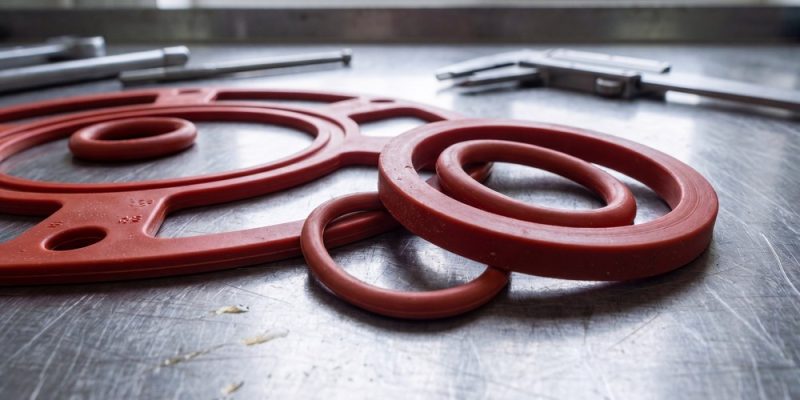
Industrial equipment faces constant thermal pressure daily. Material failure creates expensive production interruptions. Manufacturers now prefer silicone compounds that handle severe operating conditions. Reliable sealing, insulation, and flexibility remain essential across sectors. Modern plants depend on High Temp Silicone for stable mechanical performance.
How Do Silicone Materials Improve Industrial Reliability?
Heat damages ordinary rubber parts fast. Cracks appear around stressed sealing surfaces. Silicone compounds resist deformation during repeated thermal cycling. Because flexibility remains intact, leakage risks decline.
Automotive assembly facilities prove this advantage. Engine compartments generate continuous temperature fluctuations. Silicone hoses tolerate pressure without surface brittleness. Metal expansion also affects surrounding sealing components.
- Better thermal endurance during extended operation
- Reduced maintenance across mechanical assemblies
- Improved sealing around heated equipment
- Longer component replacement intervals
Why Manufacturers Prefer Silicone Over Conventional Alternatives
Traditional elastomers struggle during prolonged thermal exposure. Silicone compounds behave differently under intense operating temperatures. Their molecular stability preserves elasticity during repeated heating cycles.
Food processing machinery demonstrates practical material benefits. Steam cleaning affects seals inside conveyor equipment. Silicone gaskets maintain shape despite aggressive sanitation procedures. Rubber alternatives harden after repeated exposure cycles.
Electrical manufacturers value another characteristic. Silicone materials provide dependable insulation around sensitive circuitry. Short circuits become less likely during temperature spikes.
Key Performance Features Engineers Value Most
Engineering teams select materials through measurable operational performance. Silicone compounds satisfy multiple industrial requirements at once. Since durability affects maintenance budgets directly, reliable materials matter.
Important silicone advantages include:
- Chemical resistance against industrial lubricants
- Stable flexibility near heated chambers
- Moisture protection surrounding electronic assemblies
- Excellent compression recovery after pressure cycles
- Reliable insulation around sensitive wiring
Unlike cheaper substitutes, silicone maintains structural balance longer. That stability prevents production inconsistencies across automated manufacturing systems.
Can Silicone Solutions Improve Production Efficiency?
Production delays create serious operational expenses. Worn sealing parts increase downtime across manufacturing facilities. Silicone components reduce replacement frequency through stronger thermal resilience.
Packaging plants provide strong operational examples. Heated conveyor sections operate during long production schedules. Silicone rollers preserve surface consistency despite elevated chamber temperatures. Product handling remains smoother throughout packaging operations.
In aerospace manufacturing environments, High Temp Silicone protects exposed wiring harnesses. Extreme vibration affects aircraft components during operation. Silicone insulation reduces cracking around electrical protection systems.
- Fewer shutdown periods
- Lower repair expenditures
- Cleaner thermal sealing performance
- Better mechanical lifespan
Material Choices Shape Long-Term Manufacturing Results
Reliable production depends on durable engineering materials. Silicone compounds deliver measurable operational improvements across industries. Their thermal resistance protects machinery from avoidable performance failures.
Factories also benefit from predictable maintenance planning. Stable components reduce emergency repair situations. Engineers value materials balancing flexibility with prolonged heat resistance. Silicone solutions continue meeting manufacturing expectations without compromising operational safety.
FAQs
What temperatures can silicone materials typically withstand?
Many industrial silicone compounds tolerate high thermal ranges. Performance depends on formulation, thickness, and environmental exposure conditions.
Why do automotive manufacturers prefer silicone hoses?
Silicone hoses resist cracking near heated engine assemblies. Their flexibility improves sealing reliability during constant vibration cycles.
Are silicone materials suitable for electronic applications?
Yes, silicone provides dependable insulation surrounding delicate electronic assemblies. Moisture resistance also protects sensitive circuits from environmental exposure.











Comments